Will it still be Christmas? If all the things we’ve ever believed about Christmas turn out not actually to have happened? Are we having Christmas here tonight? Or are we simply going through the motions?
The answer is…yes. Yes, we are having Christmas tonight. We are creating Christmas by going through the motions. We create Christmas every time we retell the Christmas story.
The grown-up Jesus told stories all the time. In fact, a third of Jesus’ recorded teachings were stories. He was Jesus, right? He could have taught in whatever way he wanted…but he chose to teach in parables and stories. Why?
Let’s do an experiment. I’ll say something and you take note of how you respond to what I say. First statement: There are five points I want to share with you about the incarnation. Point number 1… Second statement: Once upon a time, an unmarried pregnant woman and her fiance traveled to Bethlehem. “While they were there, the time came for her to deliver her child. And she gave birth to her firstborn son and wrapped him in bands of cloth, and laid him in a manger, because there was no place for them in the inn.”
Which statement grabbed your attention? Which statement put you to sleep? Exactly. Jesus told stories because stories draw us in; they invite us to think and to feel. Cherie Harder, president of the Trinity Forum, said this: “Arguments may form our opinions, but stories form our loves.” She added, “Stories ask us to enter another world — which usually has the result of broadening or disrupting our own.”
In non-pandemic times, people pack churches on Christmas Eve. As one person has said of so-called Chreasters, people come to church on Christmas and Easter because those are the only parts of the story they know. And that’s terrific. It’s so good to see all of you here! And for those who are joining us online, WELCOME!
It’s nice to come to church–or to tune in online–to hear the Christmas story, but here’s the good news: we don’t have to leave the story here! In fact, if the Christmas story is to broaden or disrupt our worlds, we must take the story with us when we leave tonight. Tonight isn’t simply a sweet drama or performance. Tonight is an invitation to take the story with us, to continue acting out the story of how God’s love was born into the world.
A reminder of what we heard in the drama earlier:
Perhaps there were only one or two shepherds there when Jesus was born. Perhaps there weren’t any. But it does not change this: Jesus still comes to welcome the poor, to include the marginalized into his circle of love.
Every time we tell the story, Christmas happens. It is Christmas when we tell the world that God has come to earth. God is born among us when we tell the story in faith.
God is born as a vulnerable little baby, to parents, poor in wealth, but rich in love. God is born to show us what we can become as human beings. This very night, God comes again, still, to share with us the wonder and joy of life, and to open the door between heaven and earth.
Are we having Christmas tonight? Oh, yes! Yes, we are. But perhaps the more important question is this, When we leave here tonight, will we continue creating Christmas? Will we continue telling the story about God’s radical and inclusive love? Will we continue to give birth to God’s love in the world?
Tonight, the play ends…but the story goes on. How will you share it?
In the name of our God, who creates us, redeems us, sustains us, and hopes for our wholeness. Amen.
When we started talking about turning Christmas upside down, I remembered this hymn written by the late Shirley Erena Murray. Shirley lived in New Zealand. So much of the artwork, poetry, and music of Christmas are based on the experiences of people living in the northern hemisphere. Shirley’s hymn invites us to see Christmas in a whole new perspective. What might it mean to welcome the baby Jesus in swimsuits and sandals?
Today’s text from Luke–which the Gospel writer lifted from Isaiah–presents another upside down picture of reality, a vision of former valleys being raised and former hills brought low. The prophet’s vision, though, goes a step further. In today’s passage, we get a vision of how to turn the world right side up again. How do we do that? We do it by creating peace. How do we create peace? By doing a little road construction.
“Prepare the way of our God,” the prophet says. “Make straight in the desert a highway for our God. Every valley shall be lifted up, and every mountain and hill be made low; the uneven ground shall become level and the rough places a plain.”
Before the advent of bulldozers and road graders, traveling was difficult. And very slow. Uphill, downhill, dodging rocks, avoiding robbers. Because of the rough terrain in what we now call the Middle East, when kings or emperors traveled, an advance team went before them to build passable roads. They cleared rocks. They dismantled mountains and used the debris to fill in valleys. They created a smooth path, which greatly eased the king’s travel… which in turn, made it possible for all people to see their sovereign’s glory.
The road-building image is, of course, a metaphor. The prophet uses it to invite people to imagine how they might ease the way for God’s coming.
This second Sunday of Advent, we too are invited to clear a path, to ease the way for God’s coming. How do we do it? The title of a book by Deepak Chopra says it well: “Peace is the Way.” Peace isn’t so much a destination; it’s something we create as we go—one slow step at a time. When we create the way with peace, God’s glory will be revealed.
I don’t know about you, but I find the prospect of peacemaking overwhelming. It feels like one more HUMONGOUS item to add to an already daunting To-Do list, especially during Advent: Get milk, write sermon, buy Christmas gifts, make peace. I’m pretty sure I know which item is going to fall off that list. And when I start thinking of places like Afghanistan, Syria, and Ethiopia? Then I get downright depressed. How do we make peace in a world so set on destroying itself with conflict?
But this “peace is the way” idea…that feels more doable. We create peace by doing what we can–in the context of others doing what they can–to prepare the way for our Sovereign’s coming. If I’m helping clear the path for God’s arrival, I’m only going to be able to carry one rock at a time. If I try to carry more, I’ll likely injure something….then I won’t be able to do anything at all. I’ll be finished as a road-builder; I’ll be through with peace-making.
But if I do only what I have the strength and the skill to do…and join my work with others who are doing only what they have the strength and skill to do, then the road will be built, peace will be created, and I’ll have a whole network of friends, a community with whom to continue easing the way for our Sovereign’s arrival.
A community with whom to create a path for our Sovereign’s arrival? Yes! Advent isn’t about coming to the Christmas Eve service to see if Pastor Kim remembered to add the Baby Jesus to the creche this year. No. God-with-us isn’t something we sit helplessly by, just hoping it will happen. God-with-us is something for which we actively prepare the way. By doing what we have the strength and skill to do, by joining our efforts with the efforts of others, we make it possible for God-with-us to be revealed. In this way we create peace.
Okay. So that’s all good: We do only what we can do, add our offerings to the offerings of others, and somehow, our combined efforts reveal God-with-us. That’s a good plan for how to make peace. But what is this peace we’re making? Why is peace the way to reveal God?
The Hebrew word for peace is shalom. The root meaning of shalom is whole. So, when something is at peace, it is whole, complete. When we are at peace, we are whole, we are complete, we have everything we need—food, water, shelter, healthcare, freedom, love.
So, whatever we do to contribute to the wholeness of others—including ourselves–is the way we make peace. Peace is the way. Wholeness is the way. We create a path for God when we contribute to the wholeness of all created things, including ourselves.
Today, as we contemplate creating a way of peace, I invite us not to add things to our already overburdened schedules, but to reflect on the ways we already are creating peace, the ways in which we already are contributing to the wholeness of others. How are you using what you have to create peace?
As you reflect, I want to share with you the story of a little boy in South Africa who used what he had to create peace. His name was Nkosi Johnson. What Nkosi had to use for peace- making was AIDS.
Last Wednesday was World AIDS Day, the day we remember the millions of people who have died from or who are living with AIDS. Thanks to 30+ years of research and treatment of AIDS, a diagnosis of AIDS is no longer a death sentence. Thanks be to God!
Nkosi Johnson was born HIV+ in 1989. Knowing she would not be able to care for him, indeed that she would soon die, Nkosi’s mother Daphne allowed him to be fostered, then adopted by an AIDS activist named Gail Johnson.
When Gail went to enroll Nkosi in school, she disclosed his HIV status. When parents and teachers learned that an HIV+ child would be attending the school, they took a vote. Nkosi was barred from enrolling. His presence would be too disruptive, they said. Remember those days?
Nkosi and Gail directed their disappointment and anger into working to create a law that made it illegal to deny schooling to children because of their HIV status. The law passed. Nkosi started school.
A tiny slip of a child, with large eyes and a larger heart, Nkosi began speaking to large crowds about HIV and AIDS. Because of government suppression of the information, most South Africans didn’t know how HIV was passed. They didn’t know that simply hugging an infected person, or talking with them was completely safe. Nkosi taught people that people with AIDS were just like everyone else.
At the International AIDS Conference in Durban, South Africa in 2000, Nkosi said this: “When I grow up, I want to lecture to more and more people about AIDS… I want people to understand about AIDS- -to be careful and respect AIDS– you can’t get AIDS if you touch, hug, kiss, or hold hands with someone who is infected. Care for us and accept us– we are all human beings. We are normal. We have hands. We have feet. We can walk, we can talk, we have needs just like everyone else- don’t be afraid of us- we are all the same!”
Nkosi died June 1, 2001, when he was 12 years old. Shortly before he died, he had one last conversation with his friend, ABC reporter Jim Wooten. Jim had been interviewing Nkosi for a couple of years. As they talked, Jim could tell Nkosi was growing weak. He began saying his goodbyes. Nkosi stopped him and said: “But you didn’t ask about how I feel about dying!” Jim had been reticent to broach the subject with him.
When Jim asked Nkosi about dying, the boy said this: “I don’t want to die, but I’m not afraid of dying.” Then he urged Jim: “Please tell people this: ‘Do all you can with what you have, in the time you have, in the place you are. Everyone can make a difference.’”
Nkosi definitely did all he could with what he had in the short time he lived. Despite often being sick and having little energy, he did what he could to create peace and to contribute to the wholeness of others. On those days when the disease overwhelmed him, he created peace by contributing to his own wholeness, by resting and letting others care for him.
There are many things to love about Nkosi’s story—the simplicity of his message, his love for others, the significant contribution he made in his short life to fighting AIDS.
But in Nkosi’s story, one thing stands out. He didn’t use only his strengths to create peace; he also used the thing that made him most vulnerable, the thing that took his life at such a tender age–AIDS. By the way he lived his life, Nkosi taught us that we don’t have to wait until we’re strong to begin working for peace. We don’t have to wait until we have it all together. We don’t have to use energy and resources we don’t have to work for peace.
All we have to do is to do all we can, with what we have, in the time we have, in the place we are. If we do that, peace will be created, the way will be cleared, God will be revealed, and the world will become just a little more whole.
In the name of our God, who creates us, redeems us, sustains us, and hopes for our wholeness. Amen.
In the birth song tradition attributed to the Himba people in northern Namibia, a woman who decides to become a mother goes and sits silently under a tree and listens carefully until she hears the song of the child that wishes to come to her. Once she has heard the song, she comes back to her man who will father her child and teaches him that song. When they physically unite to conceive the child, they sing the birth song, inviting the child to come to them.
Once a Himba woman becomes pregnant, she teaches the Birth song to the midwives and the elderly women of the tribe so that when the baby is born, the women can sing the birth song to the child and welcome it into the world. When the child grows, the birth song is sung to the child in every phase, even when he/she falls down or cries or does something wonderful. It’s sung again when the child reaches puberty. It’s even sung when the person commits a crime. The person is made to stand in the village center and then people of the community hold hands and circle around him/her, singing the Birth Song, reminding him/her of their origin, their identity.
I haven’t been able to confirm that the Birth Song tradition actually is practiced by the Himba people, but wow. Even if it’s made up, isn’t it a beautiful thing? To have a song that guides you from before conception to death? A song your parents and the whole community know? A song that reminds you at every important moment of your life who you are?
A few weeks ago, we heard the story of Jesus’ visit to his hometown of Nazareth. When he went to synagogue, they handed him a scroll from Isaiah and asked him to read.
So, you’re Jesus. You’re home for a visit after a hectic schedule of traveling and teaching. You probably just want to rest…but when you go to synagogue, they ask you to read Scripture. I wonder if on the way up to take the Isaiah scroll, Jesus had a moment of, “Oh, dear. What am I going to read?”
When telling the story a few weeks ago, I was struck that the passage Jesus chose to read came from the song Mary sings to Elizabeth, the Magnificat we call it. Now, I wonder, Was Jesus, in this important moment of naming himself and his new role to his hometown folks, singing his birth song? Did Mary hear this song before she conceived? Did she sing it to Joseph? Did she sing it the night Jesus was born? Did she sing Jesus to sleep with it when he was a toddler? Did she sing it to him that time he stayed back at the temple in Jerusalem and worried her sick? Did she sing it that day as she watched her firstborn child die?
Whether or not Mary’s song was Jesus’ birth song, Mary’s song plays an important role in Scripture. It’s words occur in Psalms and Isaiah. Last week, we heard Hannah sing it when she brought her child, Samuel, to the temple.
What is it about this song that the folks writing, then organizing Scripture found so important that they included it so many times?
When Chuck and I began planning for Advent, we read through all the Scripture texts offered during the season. When we read the Magnificat, Chuck said something like, “Whoa! This isn’t the Christmas we usually hear about! ‘God has scattered the proud in the thoughts of their hearts. God has brought down the powerful from their thrones, and lifted up the lowly; God has filled the hungry with good things, and sent the rich away empty.’”
Mary’s song is so rich and so deep we decided to focus on it throughout the season of Advent. Each week, you’ll hear a different musical setting of the Magnificat. Our beloved Chuck and choir can make that happen. Cool, huh?
Jesus’ words later in the Gospel of Luke suggest one way to understand Mary’s song: to look at the world as it is.
There will be signs in the sun, the moon, and the stars, and on Earth distress among nations confused by the roaring of the sea and the waves. People will faint from fear and foreboding of what is coming upon the world… Doesn’t sound too far off the mark does it?
Then he told them a parable: ‘Look at the fig tree and all the trees; as soon as they sprout leaves you can see for yourselves and know that summer is already near.” The call here is to wake up and look at what’s really going on in the world…to, as Walter Burghardt has written, “take a long, loving look at the real.”
What might we see if we take a “long, loving look at the real?” Might we, like Mary, see those who are starving, not from lack of food, but from lack of political will to stop wars and unjust food distribution? If we take a long, loving look at the real, might we see the racism, sexism, and classism that continue to oppress so many and dehumanize us all? If we take a long, loving look at the real, might we see the pride and power that prevent God’s dreams for the world from coming true?
There was great rejoicing this week when three men were convicted of murdering Ahmad Arbery in Brunswick, Georgia. For the justice system to work in so blatant a crime against a young Black man in the deep south is certainly something to rejoice. Historically, that kind of justice has happened too rarely.
But it’s a complicated celebration, isn’t it? Two previous prosecutors chose not to indict the men who eventually were convicted. The prosecutor who won the case was brought down from Atlanta. Without the video of the murder going viral, it’s doubtful the crime would have been pursued at all.
And here’s the thought that won’t leave my mind: he’s still dead. Ahmad is still dead. A Black man was still hunted down on a public street in broad daylight and murdered. His mother and father and all who knew him still grieve.
As we take a long, loving look at the reality of society right now, we see evidence of systemic racism everywhere. Everywhere. Mothers of Black sons still experience terror every time their children leave the house. In too many places, Black lives still don’t matter as much as white lives.
When I mentioned our Advent theme of decentering or upending Christmas to my friend alexandria monque, she told me about a recording Louis Farrakhan made for parents. The quote I’m going to share might be jarring for some of us, but it does invite u us to take a long, loving look at what’s real about Christmas from a perspective other than our own. Here’s the quote:
“Leave the mythical Santa at the North Pole or wherever he is. And don’t you ever again spend money on your children and give the credit to a mythical Caucasian and make your children think that they have to continue to look at White people to get things you give them with your hard sweat and blood. “~(Louis Farrakhan on Instagram)⠀
For all of us who have been born into the way of Jesus, Mary’s song is our birth song. Our birth song invites us to take a long, loving look at what’s real…and not just what’s real from our perspective. Mary’s song, Jesus’ song, Hannah’s song, the Psalmist’s song, the prophet’s song…our birth song calls us to upend the world, to turn it right side up again so that God’s dreams for our world might come true.
So…Will we do what it takes to fulfill God’s dreams for the world? Will we feed the hungry? Will we work to scatter the proud? Will we stand against unjust systems and name the mis-use of power when we see it?
What I’m asking, Church, is: Will we, will we, will we join the revolution?
In the name of our God, who creates us, redeems us, sustains us, and hopes for our wholeness. Amen.
A woman is barren, prays for a child, then—at last!– conceives. In response, she offers a beautiful song of thanksgiving to God. A great story! Hope-filled! Miraculous! Inspiring! Annoying.
Don’t get me wrong. I’m happy for Hannah. She really wanted a baby. And she prayed until she got one. Hannah has a lot to teach us about faith in God….and about offering thanks for answered prayer.
But what about the rest of us? …those who pray for children and never get them…those who pray for jobs that never materialize….those who pray for healing but seem to end up attending funerals anyway? What does Hannah’s story say to those of us whose prayers have not been answered or have been answered with a firm no? Hannah sang her song of thanksgiving because her prayer had been answered. How do you offer thanks when your prayers aren’t answered? How do you give thanks when it’s the last thing on earth you feel like doing?
In December of 2007, John Kralik found himself in a pretty thankless place. His law firm was losing money and its lease, and was being sued; John was going through an acrimonious divorce and was in danger of losing custody of his young daughter; his adult sons were growing distant; he was completely out of money; he was living in a tiny, stuffy apartment with little furniture; and the woman he’d been seeing had broken up with him.
The morning after his girlfriend broke up with him, John’s friend, Bob, met him for breakfast at a chain restaurant whose inexpensive prices were still too pricey for John. Of that morning, John writes: “The man Bob saw across the chipped Formica table was 52 years old, forty pounds overweight, pasty, and tired, with a terrified sadness in his eyes. After 28 years of work as a lawyer, I had little more to show than I’d had when I started—and the little I did have was in jeopardy.” (K 86)
New Year’s Day 2008, John traveled to an area outside of Pasadena for a hike he originally had planned to take with his girlfriend. As often happens when we get away from everything and out into nature, John gained some clarity about his life—pretty much, he saw just how far into the toilet it was. His inner voice intoned a painful mantra: “Loser, loser, loser.”
After he’d been walking a while, slipping even more deeply into hopelessness, John heard another voice. It said: “Until you learn to be grateful for the things you have, you will not receive the things you want.” John couldn’t explain the voice or the words it said… (K 208) ….but the words stayed with him….
…and led him to a memory of his beloved grandfather. When John was a boy, his grandfather had given him a silver dollar. “He promised that if (John) wrote him a letter thanking him for this silver dollar, he would send another one.” John wrote the thank you letter and received another silver dollar. He never got around to writing the second thank you letter… and thus received no more silver dollars from his grandfather.
As he hiked back to his car that New Year’s Day, John’s thoughts strayed to mundane offices matters—like all the envelopes he’d just bought for his law firm that were now useless because they contained the address of the office from which the firm had just been evicted.
As his thoughts about the invitation to be thankful, his grandfather’s silver dollar lesson, and the unusable envelopes coalesced, John formulated a plan: He would “try to find one person to thank each day of the year.” In that way, he would practice gratitude and use up all those envelopes. “If my grandfather was right,” John writes, “I would have a lot more of what I was thankful for by the end of the year. If the voice was right, I would begin to get the things that I wanted. And if not, well, I had little more to lose.” (K245)
John’s book, 365 Thank Yous: The Year a Simple Act of Daily Gratitude Changed My Life, recounts his year of writing thank you notes. He begins with a thank you note to one of his sons for a Christmas gift. He thanks clients who pay their bills on time. He even thanks his ex-wife once. One day, uncertain of who to thank, he writes a note to the barista at Starbucks.
This might sound hokey, but the discipline of practicing gratitude really does change John’s life for the better. He reunites with his girlfriend; he works through the divorce settlement with his wife amicably; his business gets back on its feet; he gets healthier.
In January 2009, he asks his friend Bob—the one who’d paid for breakfast a year before– if he had noticed any differences in John after 365 thank you notes. ‘A lot,’ Bob said. ‘You are a different and much better person.” (K 2186)
Let’s try something. Take a minute, get comfortable where you are…and reflect on your life. Is anything stressing you out? Is something not going well? What is the one thing you pray for over and over? Or maybe it’s the one thing you’ve stopped praying for because you’ve given up hope that you’ll ever receive it.
Now, even as you keep this stressful, hopeless-seeming thing in front of you, think about the things you can give thanks for—I’ll suggest a few; they might or might not apply to you: home, family, church family, health….For what are you thankful this morning? It can be as simple as having running water or a functioning car or an eggshell that cracked the right way this morning….anything….just find something for which you can offer thanks…
Now, in the quiet of your heart, say thank you. You can say it to God if you want. Or if you’re angry with God or aren’t sure God’s around or exists or cares, say it to the universe or to yourself, or your hymnal, or the chair, or the air…just say the words, “Thank you.”
I doubt any of us have been miraculously changed in the last two minutes. Feeling grateful when life is difficult takes time. John Kralik’s story demonstrates just how hard and slow the process can be. But maybe, just maybe, what we’ve done this morning can be a start. As John suggests: It couldn’t hurt, right?
In the final stage of her life, my great Aunt Inez was well into dementia. The last time I saw her, there was only one phrase left in her vocabulary: Thank you. Now, she didn’t mean to express gratitude every time she said the words “Thank you.” You could tell more what she was really trying to say by interpreting her tone of voice. “Thank you. Thank you! Thank you?”
Of all the phrases for her brain to latch on to as her life was winding down, of all the things she’d said in her 90+ years of living, I found it fascinating that those two words—“Thank you”–were the only ones left. Even as she neared death, confined to bed, devoid of mental faculties, completely dependent on others for everything—still, the words her brain chose to be her last were “Thank you.”
Is life hard right now? Is little going right? Are you slipping into hopelessness? If so, perhaps you might make Aunt Inez’s last words your first: Thank you. If all the other prayers are going unanswered, maybe you might try shifting to the one sufficient prayer suggested by Meister Eckhart: Thank you. Even if it’s the last thing on earth you feel like doing, maybe it would be helpful this morning to say Thank you. It couldn’t hurt, right?
In the name of our God, who creates us, redeems us, sustains us, and hopes for our wholeness. Amen.
Welcome to worship with First Congregational in downtown Asheville! When we say welcome, we mean it–no matter who you are or what you’ve done, no matter how faithful (or unfaithful) you feel today, no matter who you love–you are welcome here.
A couple of weeks ago–when Allen and I were in Georgia for his dad’s memorial service–I tuned in to the livestream. It was a terrific experience! Mandy Kjellstrom also tuned in. We chatted. I guess it was kind of like passing notes in church.
One HUGE positive experience was having people wave at us. And so, sanctuary worshipers, I invite you to turn around, look at the camera, and welcome our online worshipers. (Waving)
Wherever we are, by whatever means we worship, we are welcomed to this space. Let’s give ourselves a chance to fully arrive to this moment. We’ll do that by breathing in God’s love…breathing out God’s love…we breathe in…we breathe out…
Quiet Reflection
Trinity Chime
*Call to Worship
When Jeremiah was called, he said,
“Please, God. No!”
When Jonah was called to preach in Ninevah,
He took a boat in the opposite direction.
(We know how that turned out.)
When Isaiah was called, at first he demurred. Then at last he said,
“Here I am! Send me!”
When we are called, what will we do? Will we resist? Will we head in the opposite
direction? Or will we open our hearts and minds and say, “Here we are! Send us!”?
When we are called, what will we do?
*Opening Hymn The Summons KELVINGROVE
(Stanzas 1-4…The Faith We Sing, #2130)
John L. Bell & Graham Maule
Will you come and follow me if I but call your name?
Will you go where you don’t know and never be the same?
Will you let my love be shown? Will you let my name be known,
Will you let my life be grown in you and you in me?
Will you leave yourself behind if I but call your name?
Will you care for cruel and kind and never be the same?
Will you risk the hostile stare should your life attract or scare?
Will you let me answer prayer in you and you in me?
Will you let the blinded see if I but call your name?
Will you set the prisoners free and never be the same?
Will you kiss the leper clean and do such as this unseen,
and admit to what I mean in you and you in me?
Will you love the “you” you hide if I but call your name?
Will you quell the fear inside and never be the same?
Will you use the faith you’ve found to reshape the world around,
through my sight and touch and sound in you and you in me?
Children’s Time (Chuck and Kim and Andrew) – Wonder Pets Theme
Will you come and follow me, if I but call your name… What do you want to be when you grow up? It’s not just a question for us as individuals. A lot of times, we’re called to work with other people. That’s what’s happened for Chuck and Andrew adn me–we have been called to work together here at First Congregational.
Anthem Leaning on the Everlasting Arms
When We Were Called…Rev. Dr. Kimberleigh Buchanan
I preached my first sermons with my flute. Because my Southern Baptist community had set ideas about gender and pastoring, they couldn’t imagine God calling a 17 year old young woman to ministry…and because my community couldn’t imagine it for me, I couldn’t imagine it for myself.
But interpreting texts was something I felt compelled to do…and so, I created hymn medleys. If people reflected on the texts of the hymns as I played, they would experience a sermon. Like a Christmas medley called “Incarnation” that began with “I Wonder as I Wander, ran through a couple of Christmas carols, then ended with “The Old Rugged Cross.” That one was a call to remember the whole of Jesus’ life during the season of Advent and Christmas.
After teaching elementary school music for a couple of years, I went to seminary–to become a children’s minister, because that’s all I’d ever seen women do in churches professionally. Finally, through conversations with two professors who WERE able to imagine God calling me to pastoral ministry, I was able to name this “nudge” I’d felt all my life as a call to pastoral ministry.
About that time, fundamentalists took over the seminary. They were furious about women in ministry. By the time I left seminary, I heard every day, “Women can’t preach. Women can’t pastor.” Advised against seeking a pastoral call, I went to Emory to work on a PhD.
It was on a walk around campus one day, that my call to pastoral ministry solidified. I was still trying to work through the trauma of the fundamentalist take-over of my seminary. I had seen the ugly underside of the church. As I walked, I wondered: What if I just walked away from the church, from Christianity, all together? Plenty of people had done that and were very happy. Maybe that’s the direction I should head, too.
My path that day took me beneath the chapel. When I got to the underbelly of the chapel, I stopped and couldn’t move. I stood there for a bit, deciding. Stay with the faith, or leave it?
That’s when Jesus came to mind. I thought of all the things he’d tried to teach that his followers just didn’t get. Then I wondered: What if we did get what Jesus was trying to teach us and live it out? Or maybe we didn’t even have get it. Maybe if we just tried to get it?
In that moment, I decided that if one community in the world–just one–tried to follow Jesus–only tried–the world would be transformed. That’s when I knew, I am called to lead a community that with every resource it has, with every fiber of its being, with as much authenticity as it can muster, tries to follow Jesus. And how grateful I am to have been trying to follow Jesus with you all these last few years.
Chuck Taft
Music for Reflection (Wayne)
Gospel Lesson MARK 13:1-8
As he came out of the temple, one of his disciples said to him, ‘Look, Teacher, what large stones and what large buildings!’ Then Jesus asked him, ‘Do you see these great buildings? Not one stone will be left here upon another; all will be thrown down.’
When he was sitting on the Mount of Olives opposite the temple, Peter, James, John, and Andrew asked him privately, ‘Tell us, when will this be, and what will be the sign that all these things are about to be accomplished?’ Then Jesus began to say to them, ‘Beware that no one leads you astray. Many will come in my name and say, “I am he!” and they will lead many astray. When you hear of wars and rumours of wars, do not be alarmed; this must take place, but the end is still to come. For nation will rise against nation, and kingdom against kingdom; there will be earthquakes in various places; there will be famines. This is but the beginning of the birth pangs.
LUKE 19:40
He answered, ‘I tell you, if these were silent, the stones would shout out.’
Reflection When Stones Cry Out Kim and Chuck
Kim:When I hear this text, I think of my two trips to the Western Wall in Jerusalem. The Western Wall is what’s left of the foundation of the Temple Jesus and his disciples were walking by when he said the stones of that temple would be lying one on top of the other on the ground. When you approach the Wall and see how it goes up and up and up…It’s hard to imagine the building that would have sat on top of that foundation. It, too, must have been HUGE… it also had been there for hundreds of years. No wonder the disciples were puzzled–and perhaps troubled–by what Jesus was saying. It’s true that just 35 years later, the Temple WOULD be destroyed, but is that what Jesus was talking about? What do you think, Chuck?
Chuck:Talk about how Jesus came to WAKE US UP! Nothing is permanent.
Kim and Chuck: What does this story mean for us at FCUCC? To what are we as a community of Jesus’ followers being called?
PoemThe Point of PointingKim Buchanan
(Note: I’m not quite sure how this will fit yet, but it feels REALLY important. I’ll keep thinking.)
Shortly after I arrived in February 2018, we begana badly-needed pointing project. For those who aren’t familiar with it, here’s what pointing is. In stone structures like ours, with time, the mortar between the stones wears away. Often, water seeps in between the stones. That happened here. When I arrived, the wall in the balcony was black and moldy in many places.
The wise decision was made to re-point the stone. That means, we hired a company to come in and put more mortar between the stones. We hired another company to reinforce these beautiful stained glass windows. Then we hired another company to re-paint the sanctuary–thanks be to God!
As we contemplate Jesus’ words in today’s Gospel lesson and at the same time, think about all the things we have done to keep the stones of our temple together…it makes you wonder. Have we missed Jesus’ point? Like the disciples of long ago, are we clinging to the past, to the way things have been done for decades? Or is it time for us to wake up to the new thing God is doing in our midst?
Don’t be scared. I’m not suggesting that the stones of our beautiful sanctuary should be lying on the ground. AT ALL!
I do wonder, though, how these stones–which we have tended with great care–How might these stones cry out to our Asheville community, spreading the good news that God’s love is for everyone, that God calls us to transform unjust systems, that God hopes for the wholeness of every person? How might we through the stones of our temple declare God’s love in downtown Asheville?
I share with you now a poem I wrote in 2019: “The Point of Pointing.”
When I arrived
the stones were loose,
held in place—
it seemed—
only by habit and hope.
Wind and weather,
water and weariness
had worn away
connections between them.
New storms surged unchecked
through ghosts of mortar past.
I worried.
Habit and hope
hold things together—
for a season—
but inevitably
the reality of rock must be faced
the gravity of gravity must be acknowledged
the point of pointing must be made—
What held us together before
no longer suffices.
*********
Today,
I worry less.
As we sate the space between us
with substance that will hold,
As we seal new ties that bind us
with a strong, protective coat,
As we paint and spruce and plaster—
outer beauty birthed within,
Resurrection now feels certain—
We are rising once again!
May it be so. May it be so.
In the name of our God, who creates us, redeems us, sustains us, and hopes for our wholeness.
Kjb, 2/21/19
Song Here I Am
Benjamin Hall
Prayers of the People
God, in your mercy, Hear our prayer.
It is a tradition at the Western Wall to slip written prayers into the gaps between the stones of the old Temple’s foundation. I’ve slipped a prayer or two of my own into those cracks.
Today, we’re going to use post-its. The invitation is to write your prayer of hope for our church on the post-it, bring it forward to the Western Wall replica–painted by our featured artist for November, Jenny Pickens–and attach your prayer to it. I plan to share those prayers with your in in next week’s worship service, so keep that in mind. Write only prayers you don’t mind being broadcast to the universe. 🙂
As you come, we do ask that you maintain social distancing.
And now, let us pray. (People will come forward to bring their prayers.)
God of the Gospel, God of love, we offer our prayers for our First Congregational community today. Please, hear these prayers. And help us to work with you to enact them. Give us wisdom, courage, and strength as we help these stones to cry out your love here in downtown Asheville. GM/HP
Prayer of Jesus
We join our hearts and voices together as we pray the prayer Jesus taught:
Heavenly Father, heavenly Mother, Holy and blessed is your true name. We pray for your reign of peace to come, We pray that your good will be done, Let heaven and earth become one. Give us this day the bread we need, Give it to those who have none. Let forgiveness flow like a river between us, From each one to each one. Lead us to holy innocence Beyond the evil of our days — Come swiftly Mother, Father, come. For yours is the power and the glory and the mercy: Forever your name is All in One. Parker J. Palmer
Invitation to Offering
Does anyone know what tomorrow is? Okay. It’s offering time, we’re thinking about all that we give to the church in time, talent, and tithe… Tomorrow is the deadline for our pledge commitments for 2022! Now… That doesn’t mean we won’t welcome pledges submitted after tomorrow. It does mean, though, that we will create our budget for next year based on the figures we will have received by tomorrow. As of now, about half of what is needed to sustain our current ministries has been pledged. Terrific! We offer profound thanks for the commitments that have been made. If you’d still like to make your commitment, you can find a pledge card on our website.
It is amazing to see what pooling our resources can do. This space–our temple–is sturdy, sound, and beautiful because we have offered our gifts together to tend to it. What new things might our pooling of resources accomplish for helping these carefully-tended stones shout out God’s love to downtown Asheville?
As an act of worship, as an act of love, we all are invited to give as we are able.
Offering Hymn We Give You But Your Own
Prayer of Dedication
Closing Song Hallelujah, Brother! Rick Powell
Chorus
Hallelujah La-la-la-la-la-la
Hallelujah La-la-la-la-la-la
Hallelujah La-la-la-la-la-la, Amen.
I tell you why I’m so happy, brother,
I tell ya why I can sing brother,
Met a man and he freed me, brother and-a
He gave me everything.
Hallelujah, hallelu…Chorus
Do you wanta be happy, sister,
Do you wanta be free, sister
Turn it over to Jesus, sister
He’s the reason to sing
Hallelujah, hallelu…Chorus
Benediction
I know. That song doesn’t have anything to do with today’s theme of the stones crying out. But what might happen if we took the joy we just experienced with us out into the world? It’s a silly song, a happy song. We offered it today, in part, because I messed it up a couple of weeks ago. We did it in bigger part, though, because Chuck and I wanted you all to share in our joy.
As we leave this place, as we pass through and look at the stones of our temple here at First Congregational, how might we help these stones cry out God’s love to downtown Asheville? What new thing might God be wanting to do through us? Let us with fervent prayer and discernment think on these things. Go in peace. Amen.
Bartimaeus begged. He was blind; he couldn’t work; his society assigned him the role of beggar. And so, Bartimaeus begged.
Bartimaeus followed the rules of begging–doing so quietly, in the designated area, and in the proscribed way–Bartimaeus followed the rules of begging…until he heard that Jesus was walking by. He’d no doubt heard of all the healing Jesus had done in Jericho. When he heard the crowd approaching, maybe Bartimaeus got the idea that he, too, could receive healing. Desperate for that healing, Bartimaeus broke a begging rule: He shouted out.
That shout was a brave thing, a prophetic thing. In drawing attention to himself, Bartimaeus also drew attention to the rules of their society that forced the disabled to beg. Maybe that’s why “many sternly ordered him to be quiet.” Maybe they wanted to protect the great teacher from seeing how their society treated the least of these.
But healing–new life–was more important to Bartimaeus than staying in the place society had assigned him, and so he cried out a second time, this time even louder: “Son of David, have mercy on me!”
Gavin, Ethan, and Byron, I pray for you the courage of Bartimaeus. As you take up the mantle of faith today, may it guide you in living just and compassionate lives. And may you never be afraid–with love and mercy–to name injustices where you see them.
After Bartimaeus shouts out the second time, Jesus asks, “What do you want me to do for you?” What do you want me to do for you? He’s blind. He’s begging. Seems pretty obvious what Bartimaeus wants Jesus to do, right?
But maybe the question isn’t for Jesus. Maybe it’s for Bartimaeus. Maybe Jesus asks the question to invite Bartimaeus to hear himself name his want, his need, his desire. ‘My teacher, let me see again.’
What’s radical here is not the answer Bartimaeus gives. He was blind. He wanted to see. “Let me see again,” is the most sensible thing he could have said. The radical thing that happens here is that a person who’d been living the life that had been assigned to him–the life of a beggar–now was being asked to choose the life he wanted to live.
Which is exactly what today is about Ethan, Byron, and Gavin. At your baptisms–or from the moment we met you–we and your parents covenanted together, with you, and with God to raise you into this faith of following Jesus until you could consciously choose whether or not to continue following the faith. Today, you also are being asked–by Jesus, by the church, by this community of people who love you more than we can say–What do you want this faith to do for you? Do you want to thank it for the nurture it has given you and then amicably part ways? Or do you want to invite it to continue offering you guidance, comfort, community?
When you make your commitments in a minute, the responses will be short: “I do,” and “I promise with the help of God.” When we hear your responses, though, we’ll know that a lot of work and reflection went into getting you to that point. Lots of confirmation sessions with Andrew. Lots of worship services attended. Lots of conversations about what it means to be part of a community of Jesus’ followers.
When you speak those words, it will mark the end of one process–for us, the process of helping to nurture you into the faith of Jesus; for you, the process of allowing us to nurture you into the faith of Jesus. When you speak those words, it will mark the end of one process. It also will mark a beginning….the beginning of a faith journey you have chosen for yourselves.
When Bartimaeus told Jesus he wanted to see, Jesus told him, ‘Go; your faith has made you well.’ Immediately Bartimaeus regained his sight. And then what happened? Once Bartimaeus named what he wanted from Jesus, he followed Jesus on the way.
Byron, Gavin, Ethan, we are so freaking proud of you! It has been pure joy to do what we could to love you and nurture you into this faith we’re all still trying to figure out. We applaud the hard work you’ve done the last couple of years in Confirmation class mucking around in the nitty gritty innards of the faith.
And though our relationship is shifting now from your mentors in the faith to fellow journeyers in the faith, here’s what we want you to know–we are still here for and with you. We still love you more than we can say. And we are and always will be SO FREAKING PROUD OF YOU!
In the name of our God, who creates us, redeems us, sustains us, and hopes for our wholeness. Amen.
Welcome. Welcome to worship with First Congregational UCC, Asheville, North Carolina, on this Confirmation Sunday. Confirmation is one of the highlights of any church year. To this point, we have been doing our best to fulfill the covenant we made at their baptisms or since we met them: we’ve been nurturing them into the Christian faith until the day when they could choose this path for their own. After a long process of study and reflection, Ethan Park, Byron Park, and Gavin Wilder, are making their choice today. What joy to be here for this event today.
Next Sunday we’ll celebrate another big day in the life of our church: All Saints Sunday. It’s the day we remember those who have died, celebrate their lives, and recall that they and we together form a great cloud of ancestors in faith and in life. We’ll be creating a video montage with pictures of loved ones you send us. If you’d like a photo of a loved one you’re remembering included in the video, please send it to Casey.
A key part of living the faith of Jesus is being part of a community. Christian faith is not something we do alone. Confirmation and All Saints Sunday remind us what a gift community is to us. It is with joy and gratitude that we gather for worship today.
As we gather, let’s take a moment to breathe together and give ourselves a chance to arrive fully. We breathe in God’s love…we breathe out God’s love…we breathe in…we breathe out…
Prayers. God of confirmation, how grateful we are that you were there to hear our borning cries and that you are with us now that we are old. Er. We’re also grateful for the ways you have been with Byron, Ethan, and Gavin from their borning cries to this time when they are claiming the life of faith they are choosing for themselves. We are so proud of them. We know you are, too. Our prayer today is that all three of these amazing young people will feel that pride and know we love them. GM/HP
God of community, at baptisms, it is a joy to covenant with children and their families to help nurture those children into the faith. Even as we celebrate Gavin, Ethan, and Byron’s confirmation, renew our commitment to continue nurturing the other children in our midst. Help us in new and creative ways to demonstrate to the children in our midst what it means to follow Jesus. GM/HP
In Flannery O’Connor’s story Revelation, the protagonist, Mrs. Turpin, accompanies her husband, Claud, to the doctor’s office. The narrative ping-pongs between Mrs. Turpin’s conversations with people in the waiting room and her internal assessment of each person present…and assessments she has! The poor white mother, grandmother, and grandson; the common lady; the pleasant, well-dressed lady, and that woman’s quote “ugly,” Wellesley- attending daughter. With every interaction, Mrs. Turpin’s assessments sharpen. Happily for her, her assessments agree with what she’d always known about people like that.
In one of these internal musings, Mrs. Turpin creates her own personal caste system. On the bottom are Black people. Then next to them–not above, just away from–are the poor whites; then above them are the home-owners, and above them the home-and-land owners, to which she and Claud belong. Above she and Claud are people with a lot of money and much bigger houses and much more land.
Observing Mrs. Turpin’s internal sorting process calls to mind Isabel Wilkerson’s 2020 book, Caste. “All men are created equal,” the Preamble to our Constitution begins. Wilkerson details how we have not yet achieved true equality and lays out our country’s history of sorting people into a hierarchy of worth. Reading Caste, one wonders if the equitable society for which we hope is even possible.
I recently watched a documentary series on PBS called The Mysteries of Mental Illness. In the episode titled Who’s Normal?, the question of diagnosis is explored. Who determines who is mentally ill? Do you know the year in which homosexuality was deleted from the Diagnostic and Statistical Manual of Mental Disorders? 1973. Where were you in 1973? If your experience doesn’t resonate with heterosexist normativity, what was your life like then? Did you ever feel crazy? Do those feelings linger? In 2017–just four years ago–the Danish parliament became the first country to remove transgender people’s classification as “mentally ill.”
One wonders where Mrs. Turpin might have placed folks from the LGBTQ+ community in her personal caste system.
Mrs. Turpin’s mental musings come to a screeching halt when the Wellesley student’s book–ironically enough, on Human Development–sails across the room and crashes into her forehead. The young woman follows the path of the book and digs her strong fingers into Mrs. Turpin’s windpipe.
The doctor and nurse run out. The nurse tends to Mrs. Turpin. The doctor subdues the young woman and gives her an injection. As the EMTs load the sleeping woman into the ambulance, another woman looks down at her and says, “Thank God I’m not a lunatic.” Was the young woman a lunatic? Was she?
Did you know that after 1850, enslaved people who tried to escape were diagnosed with a mental illness called Drapetomania? The very fact that they wanted to escape was the only symptom necessary to be diagnosed.
Here’s a more current example of unjust diagnosis of mental illness.
“A 2012 government effort to reduce unnecessary antipsychotic drug use in nursing homes included an exemption for residents with schizophrenia. Since then, diagnoses have grown by 70 percent. Experts say some facilities are using the schizophrenia loophole to continue sedating dementia patients instead of providing the more costly, staff-intensive care that regulators are trying to promote” for patients with dementia. The increase in schizophrenia diagnoses also coincides with a governmental crack down on the excessive use of patient restraints. Black dementia patients receive a diagnosis of schizophrenia at a rate 1.7 times greater than white dementia patients. (New York Times, October 16, 2021)
Often on Mental Health Sunday, we talk about how we can extravagantly welcome people who struggle with mental health issues. Some people in our community have told stories about their own struggles with mental illness. Because of the church’s (big C) spotty history of providing comfort for those who are mentally ill, it is good and important that we create spaces for people to tell their stories and to find support from a community of faith.
Providing support to those who struggle with mental illness is vital. Equally vital is calling out diagnostic practices that result from both intentional and unintentional discrimination. When mental health diagnoses are used to dehumanize people who don’t fit social norms, then we, as followers of Jesus, are called to name the injustice.
Another key part of mental health advocacy is looking at how unjust laws and societal practices impact the mental health of our more vulnerable fellow citizens. A story included in Isabel Wilkerson’s book Caste illustrates what I’m talking about. Warning: It’s a hard story. But stay with me…because the sermon’s going to end with Jesus andhope. I promise.
In 1951, a little league baseball team in Youngstown, Ohio, won the city-wide championship. The team’s coaches “decided to celebrate with a team picnic at a municipal pool.” When the team’s only Black member, Al Bright (whose parents had been unable to attend), was refused entrance to the pool, the coaches realized the terrible mistake they’d made. Their pleas to the lifeguard to let Al swim went unheeded.
One of the coaches laid out a blanket outside the chain link fence surrounding the pool. Various adults would bring snacks to Al as he watched his white teammates splash and play in the pool. “From time to time, one or another of the players or adults came out and sat with him before returning to join the others.”
Finally, one of the coaches asked what it would take for Al to be able to swim “just for a few minutes. The supervisor agreed to let the Little Leaguer in, but only if everyone else got out of the water, and only if Al followed the rules they set for him.
“Once everyone cleared out, ‘Al was led to the pool and placed in a small rubber raft…A lifeguard got into the water and pushed the raft with Al in it for a single turn around the pool, as a hundred or so teammates, coaches, parents, and onlookers watched from the sidelines.
“After the ‘agonizing few minutes’ that it took to complete the circle, Al was then ‘escorted to his assigned spot’ on the other side of the fence. During his short time in the raft, as it glided on the surface, the lifeguard warned him over and over again of one important thing. ‘Just don’t touch the water,’ the lifeguard said, as he pushed the rubber float. ‘Whatever you do, don’t touch the water.’
“The lifeguard managed to keep the water pure that day, but a part of that little boy died that afternoon. When one of the coaches offered him a ride home, he declined. ‘With championship trophy in hand,’ Al walked the mile or so back home by himself. He was never the same after that.” (120-1)
I always think of Mrs. Turpin when I read Jesus’ words about who’s first in the kingdom…especially the end of the story when she says, “Put that bottom rail on top. There’ll still be a top and bottom!”
Will there still be a top and bottom? If the first become last and the last first, will the same structure be in place, just different people inhabiting each place? Or was Jesus inviting John and James, who’d asked for special privileges in heaven…was Jesus inviting James, John, and the rest of us to see how unjust, how antithetical to God’s kindom, how silly it is to sort and label people?
Who is first in God’s kindom? Whoever wishes to become great among you must be your servant, and whoever wishes to be first among you must be servant of all.
That is our hope for today. In God’s kindom, we ALL get to be first! All of us! In God’s kindom, there is no such thing as last place. In God’s kindom, we all get the championship trophy. All we have to do is serve others. All others. That’s it. To be first, we must simply be the servant of all.
Won’t you let me be your servant, let me be as Christ to you? Pray that I may have the grace to let you be my servant, too.
In the name of our God, who create us, redeems us, sustains us, and hopes for our wholeness. Amen.
The last 18 months have been hard for all of us. The pandemic has upended our way of life. For those of us who are still working, we’ve had to completely rethink how we do our jobs. Here at church, we’ve had to rethink how we worship, how we meet, and how we engage in benevolence work…basically, everything. With long periods of quarantine and shutdowns, we’ve had to get creative about how to stay connected with others. The last year and half has been exhausting, hasn’t it?
Yes, it’s been exhausting…and yet, if we aren’t the parents of young children or teenagers, we don’t have a clue.
Every time I see a family with young children come through those doors, I think: Those are some of the bravest people I know. In the best of times, parenting is one of the hardest jobs on the planet. Just when you get the children figured out, they hit a growth spurt and you have to learn how to parent all over again. Yes. Of course. Parenting can be a joyful enterprise, but it’s not for the faint of heart. That’s why God invented grandparenthood.
And, now? Not only do parents have to adjust to all their children’s growth spurts, now they have to think constantly about how to keep them safe from Covid. Remember how frightened we all were when there wasn’t a vaccine? Young children still are unvaccinated. Fear of their catching Covid is always present for parents of young children.
In talking with Cara Pollard, teacher extraordinaire, this week, she told us that the last “normal” year of school for 7th graders–where they went through the entire year in-person–was 4th grade. What that means for Cara’s second graders is that they’ve never experienced that “normal.” “Normal” for them is sometimes meeting at school, sometimes at home…it means sometimes having teachers teach them and sometimes parents, if those parents are able…it means wearing masks and living with the constant fear of infection. Make no mistake. Our children’s education is suffering in the pandemic. Cara, to you and to ALL all the teachers out there who are working so hard on behalf of our children: THANK YOU.
What about our children’s spirituality? That’s been a hard one. We’ve been working to stay connected with our children. Andrew has been meeting almost weekly with our confirmands since the pandemic began. Now that Confirmation is over, regular youth group meetings are happening–all on Zoom. For a long time, Andrew also created weekly Children’s Church videos and hand-delivered Children’s Church packets to the children. Betty Dillashaw has continued her amazing work with our children with chimes and bells. When the children have come to the church building, it’s been because Betty invited them and made it possible.
Seven of us gathered this week, to do some more brainstorming about our ministry with children and their families.
Our staff is beginning to read through our church’s history. The first pastor, Rev. Brainerd Thrall (his picture is outside my office), started a Boy Scout troop and a boys school when he moved from Massachusetts to start our church. From the beginning, this congregation has been committed to working with children.
How do we do that now? When babies are baptized, as a congregation we pledge to nurture them into the faith until they are able to claim the faith for their own. (That’s what happens at Confirmation.) In these days of Covid, in this time of constant shifts in how we do church, how do we honor the covenant we’ve made with our children and their parents to help nurture our children into the faith of following Jesus?
The theme of today’s service– “I arise”–comes from the prayer of St. Patrick. We’ll hear it twice today… when we sing the prayer to the old Irish tune, Bunessan (“Morning Has Broken”) and in the choir’s anthem at the end of the service.
As the story goes, St. Patrick wrote the prayer in the 4th century. (It probably was written in the 8th c…but it’s a good story. 🙂 Patrick had been working to convert people from the indigenous Druid religion to Christianity. That work didn’t please a lot of the kings scattered about Ireland.
On the day he was scheduled to meet with the King of Tara–a most combative man–St. Patrick, the story goes, wrote a lorica or breastplate prayer. Breastplate prayers serve as bubble wrap to protect you from anything that might happen or anyone who might wish to harm you. Here’s part of the one attributed to St. Patrick.
I arise today
Through God’s strength to pilot me;
God’s might to uphold me,
God’s wisdom to guide me,
God’s eye to look before me,
God’s ear to hear me,
God’s word to speak for me,
God’s hand to guard me,
God’s way to lie before me,
God’s shield to protect me,
God’s hosts to save me
Afar and anear,
Alone or in a multitude.
Christ shield me today
Against wounding
Christ with me, Christ before me, Christ behind me,
Christ in me, Christ beneath me, Christ above me,
Christ on my right, Christ on my left,
Christ when I lie down, Christ when I sit down,
Christ in the heart of everyone who thinks of me,
Christ in the mouth of everyone who speaks of me,
Christ in the eye that sees me,
Christ in the ear that hears me.
Thatabout covers it, doesn’t it?
As we reflect on Jesus’ call to welcome children into the community of faith, and as we seek to honor the vows we made at their baptisms to nurture them into Christian faith until they’re able to claim the faith as their own, we might find Celtic spirituality helpful.
Celts treated everyone as a gift from God. Children’s contributions were honored and received as an essential part of the community. We can welcome children like that.
Celtic spirituality is tactile; it isn’t a faith of the head only. Celtic spirituality is about encountering every thing and every person with our whole being. The tactile nature of Celtic spirituality makes it especially welcoming to children, concrete thinkers that they are. We don’t only engage our faith internally. Faith happens somewhere in the alchemy between material reality–including creation–and our inner lives. We can help children make those connections.
Celts also prayed for everything, like, everything. There were prayers for making the bed in the morning, prayers for making a cup of tea, prayers for hanging out the wash, prayers for working the field. While I was writing this sermon, I had a flood in the bathroom. If I look hard enough, there’s probably a Celtic prayer for that, too.
We, too, can help children see that of God in every aspect of our lives. We, too, can get out of our heads and worship God with all of who we are, with all of our bodies and emotions and spirits and intellect. We can do that for our children.We can do it for ourselves.
And maybe we can pray some bubble wrap prayers for our children every morning…pray for Christ to be with them, before them, behind them, in them, beneath them, above them, on their right, on their left, when they lie down, when they sit down, in the heart of everyone who thinks of them, in the mouth of everyone who speaks of them, in the eye that sees them, in the ear that hears them…
Last week’s reading from Jeremiah painted a bleak picture.
Your ways and your doings
have brought this upon you, he wrote.
This is your doom; how bitter it is!
It has reached your very heart.’
I looked on the earth, and lo, it was waste and void;
and to the heavens, and they had no light.
I looked on the mountains, and lo, they were quaking,
and all the hills moved to and fro.
I looked, and lo, there was no one at all,
and all the birds of the air had fled.
I looked, and lo, the fruitful land was a desert,
and all its cities were laid in ruins
before Yahweh, before God’s fierceanger.
In his sermon last week, David Ourisman shared a picture of the Bay area in California where he and Claire lived. It looked a lot like the vision Jeremiah described. Orange Wednesday–when smoke from the fires became so oppressive it blanketed everything in orange–was the tipping point for them. That’s when they decided to move to Asheville.
Jeremiah had it right, I think. It is our ways and our doings that have brought climate change upon us. This is, in many respects, our doom. And, when we see pictures like David showed us last week, the doom does take up residence in our hearts. David, you must have worked some homiletical magic last week. Somehow, instead of leaving the service depressed, we left hopeful. I’m not sure how that happened. But thanks.
Reading on in last week’s passage, you see that even Jeremiah–sometimes referred to as “the weeping prophet”–can’t stay with only bad news. The next line reads: “Thus says Yahweh: The whole land shall be a desolation; yet I will not make a full end.”
Yet I will not make a full end. Things are going to get a whole lot worse before they get better, but they will get better. I’m reminded of the line from the movie, “The Best Exotic Marigold Hotel.” “Everything will be alright in the end and if it’s not alright, then it’s not yet the end.” After that one glimmer of hope, Jeremiah goes back to mourning Earth and black skies… but for a moment–he couldn’t help himself–Jeremiah hoped.
On the hope-o-meter, today’s words from Isaiah are on the opposite end of the spectrum. “For I am about to create new heavens and a new Earth…I am about to create Jerusalem as a joy, and its people as a delight.” Aren’t you glad the Season of Creation ends with this passage and not last week’s?
Last week, David asked why God was sharing that vision of doom with the people. Why not just let the people bear the consequences of their poor decisions? Why not just let the world implode? David reminded us that the Hebrew prophets “were not in the business of predicting a future that was set in stone. The prophets were in the business of talking about consequences, of painting a vision of what the future would look like if the people would not change their ways. There’s good news in that because the prophets are affirming that we have agency, that we are capable of choosing to change our ways. We have agency. We can change.
There’s David’s homiletical magic. If things didn’t change, the world would end. But it didn’t have to. If people changed their ways, the world would change. For the better.
Though Isaiah’s vision of creating new heavens and a new Earth lies at the opposite end of the Hope-o-meter from Jeremiah’s, the prophetic invitation is the same: Catch this vision God is rolling out and make that vision reality. This time, the change the prophet is calling for is from inaction to action. The picture God is painting of a world of peace and wellbeing–it’s not just pie in the sky. We. Can. Make. It. Happen. We can make God’s dreams come true.
Let’s try something. I’m going to read the passage from Isaiah again…slowly. As I read, hear each phrase as an invitation to work with God to create a new Earth, a new narrative. See what emerges. Settle into your seat. Breathe in…breathe out… A reading from Isaiah.
For I am about to create new heavens
and a new earth;
the former things shall not be remembered
or come to mind.
But be glad and rejoice for ever
in what I am creating;
for I am about to create Asheville as a joy,
and its people as a delight.
I will rejoice in Asheville,
and delight in my people;
no more shall the sound of weeping be heard in it,
or the cry of distress.
No more shall there be in it
an infant that lives but a few days,
or an old person who does not live out a lifetime;
for one who dies at a hundred years will be considered a youth,
and one who falls short of a hundred will be considered accursed.
They shall build houses and inhabit them;
they shall plant vineyards and eat their fruit.
They shall not build and another inhabit;
they shall not plant and another eat;
for like the days of a tree shall the days of my people be,
and my chosen shall long enjoy the work of their hands.
They shall not labour in vain,
or bear children for calamity;
for they shall be offspring blessed by God—
and their descendants as well.
Before they call I will answer,
while they are yet speaking I will hear.
The wolf and the lamb shall feed together,
the lion shall eat straw like the ox;
but the serpent—its food shall be dust!
They shall not hurt or destroy
on all my holy mountain,
says our God.
If we respond to these words, then for us, they have become the word of the still-speaking God. Thanks be to God!
Did you know that we were the first congregation in the state of North Carolina to install solar panels? I don’t know for sure, but we still might be the only congregation to have installed a geo-thermal HVAC system. We planted a pollinator garden in back of the church. First Congregational has been acting Earth into wellbeing for a long time.
I’m wondering if it might be time for our First Congregational community to create a new narrative of creation care. Storms are stronger now; their effects are more devastating. Wildfires are more frequent. I see that insurance premiums for waterfront properties are in for sharp increases.
David and Claire’s story of deciding to move to Asheville because of its climate safety (relatively speaking) isn’t unusual. In fact, David and I both have been talking with a mutual friend and her family who are looking to move to Asheville from the Bay area. There are other people in this congregation who’ve moved from California to get away from the fires. Another person moved from Houston to get away from hurricanes, flooding, and a city that doesn’t have a will to take actions to mitigate those flooding problems.
Western North Carolina is a beautiful place to live. It’s also a relief to live in a place that–at least for now–doesn’t experience as devastating consequences of climate change as other regions.
It would be easy to breathe a sigh of relief and thank God that we live in such an environmentally healthy place. But our task as people of faith always is to be intentional about how to be good stewards of what we have been given. As people of faith, it’s vital that we become even more intentional about how we steward our eco-privilege. What will it mean for our area that so many people are moving here? What actions can we take to preserve the beauty and relative health of our region? What actions must we take to bring less healthy eco-systems into greater health?
How will we work with God to create new heavens and a new Earth? How will we write a new narrative for Earth care? What I’m asking, Church, is this: How will we act Earth into wellbeing NOW?
In the name of our God, who creates us, redeems us, sustains us, and hopes for our wholeness. Amen.
Have you ever gone to a park and watched the ducks? Have you ever gone to a park, watched the ducks, and not laughed? Allen and I have begun frequenting Lake Tomahawk Park in Black Mountain. I’ve been watching the ducks. Their waddling makes me giggle. When I walk alongside the lake, I smile at those webbed feet paddling for all they’re worth. And that sound they make! It sounds like laughter.
Watching the ducks last week, it hit me why I giggle when they waddle. I giggle when ducks waddle because I’m anthropomorphizing them…which means I’m looking at the ducks as if they are humans. If a human were to walk like a duck, it would be hilarious… because that’s just not how humans walk…unless they’re on the cast of Monty Python.
When ducks waddle, they aren’t trying to be funny. And they certainly aren’t trying to be human. They’re just being ducks. Short legs, webbed feet, large disproportion between legs and bodies. The only way for a duck to walk is to waddle. If I look at a waddling duck and think of John Cleese, I’m going to laugh every time. But when I look at a duck and see the duck, I realize, that’s just how ducks walk. That’s just how they swim. That’s just how they “talk.”
Human beings are the only creatures in existence who can choose whether or not to be their authentic selves. Bears don’t sit down and choose to act like bears; they’re just bears. Dogs don’t sit down and choose to act like dogs; they’re just dogs. Cats are just cats. Fish are just fish. Elephants are just elephants. Ducks are just ducks.
We human beings can learn a lot from the rest of creation. Some people do live their fully-authentic lives. Most of us, though, spend our lives trying to figure out who we are so that we can be who we are.
Last week in worship, we looked at the 5½ days of creation recounted in Genesis 1. Toward the end of the sixth day, human beings are created. The pattern of the liturgy changes. Instead of simply creating human beings, God says, “Let’s create humankind in our image, to be like us.” Then we’re told: “Humankind was created as God’s reflection: in the divine image God created them: female and male, God made them.”
I have been blessed over the years to learn from folks who are transgender. Folks who are transgender are born into a body that feels foreign to them. The disconnect between who they understand themselves to be and the bodies they inhabit creates tremendous psychological suffering. The number of trans people who die by suicide or who attempt suicide is staggering. The number of trans people who are murdered–particularly trans women who are Black–also is staggering. Living as a trans person in our world can be scary.
And yet, in my conversations with folks who are trans, talking with them at different stages of their transitioning, I have heard a depth of personal understanding that I’ve heard from few other people. Those of us who are cis-gender–meaning we’re born into bodies that make sense to us–we have gender-privilege, which means we don’t have to think about our gender. Like the ducks, we simply live our lives in the bodies we were born in without giving it a thought.
Folks who are trans, HAVE to think about who they are and what it means to be the gender they feel belongs to them–male, female, nonbinary, intersexual, pansexual…
When I read the line from Genesis 1–in the divine image God created them;
female and male, God made them–I always think of my trans friends. Perhaps their experience of two genders give them special insight into who God is. A couple of weeks ago, we heard the Prayer of Jesus in Aramaic. The address in the Aramaic version of the prayer is Abwom, literally, “Father-womb.” So, when we pray to “Our Mother and Father, who art in heaven,” we’re getting pretty close to what Jesus prayed, which has good resonance with Genesis 1.
One of the people who’s taught me a lot about what it means to be transgender is my friend, Monica Helms. Monica and her wife, Darlene, were members of the church I served in Marietta, Georgia. Monica designed the trans flag. I interviewed Monica about that experience and had planned to show it to you during Pride month in June. Technical difficulties ensued (really, human error) and we weren’t able to show it then. Happily, Kathleen Carter found the interview in the innards of my computer and we can show it today.
Here’s my friend, Monica Helms, on the process of designing the trans flag.
Video: Monical Helms
Sometimes, with my friends who transition from male to female, I want to ask them: Why would you ever choose to be a woman in this world? I realize, of course, that’s my question and not theirs.
It’s not easy being a woman in this world, is it? On September 2, when I read the story of the Supreme Court’s late night decision to let Texas’ new abortion law stand,// I felt like I’d been gut-punched. The law criminalizes abortions after six weeks, a time when many women don’t even know yet they’re pregnant. The law also rewards vigilantism. People are rewarded if they turn in someone who has had an abortion after six weeks or someone who performs an abortion, or even an Uber driver who drives someone to get an abortion.
I live in a country where people of my gender can be forced to undergo significant changes–even traumas–to their bodies, and then have their lives altered significantly economically and in every other way. Is it no wonder girls grow up being terrified of getting pregnant, really, all women? Why are women’s bodies subject to government control while men’s bodies are not?
How can women feel like whole human beings when we’re prevented from making fundamental decisions about our own bodies? The idea for the Equal Rights Amendment was introduced 100 years ago…and it’s still not ratified. Here’s the language of the ERA: Equality of rights under the law shall not be denied or abridged by the United Statesor by any state on account of sex.That’s it. All people are created equal. Period. And our country can’t affirm that. Humankind was created as God’s reflection: in the divine image God created them;
female and male, God made them.
The first assignment God gives to humankind is the task of stewardship, simply to let each creature be what it was created to be. Perhaps that’s our main task with other human beings, too: simply to let each person be who they were created by God to be…to work not to label others or put them in boxes just so we can understand them better. Maybe the most human, humane, and HOLY thing we can do as people of faith is to give others permission simply to be themselves. I share with you a poem written by Rachel Alana. Permission.
You have permission to inhabit your own life.
To say no // To say yes.
To inhabit your own knowing
Your own body,
And all you allow or do not allow // within it.
To love who you love. // To feel.
To inhabit anger, // contentment, // joy.
And heavy sorrow.
To be full of strength, // and to know weakness.
Permission to stand for something. Or to walk away.
To find rest. To tell your story.
To give or take what is yours,
And to never explain why you leave —
Or why you stay.
You have permission, grand permission,
to have a voice. And to use it.
And to let others have theirs too.
To add your voice to the Grand Mosaic,
Your brilliant tile to humanity,
and not be silenced.
You have permission to tell the truth
and to let others tell theirs. Or to be in quiet.
To choose to engage in the old wars
To win the game. To lose it,
or to stand firm.
–Or to find something higher.
To know. –When not to listen,
Or when to be cracked open.
To let the silver spores of being, infuse your life
Or to watch your tender soul unfurl,
and come to flower.
You have permission to be Wild. So wild
To live in, under, to live *through*.
To experience belief. And what it is to follow.
To Lead,
Or to gather all you own, your whole being, if need be,
and take up your sacred path.
You have permission to live in your full truth today,
Even if that truth is gone, tomorrow.
To be reborn.
Stunned like a babe, gasping from the womb,
only to find rest in the warmth and soft breast
of new Knowing.
You have permission to follow the call of your soul —
Even if it doesn’t make sense.
Even if it is inconvenient.
Even if it only forms more questions —
Even if it only brings you freedom,
Or a heavy burden.
For you are not a herd beast.
*You are a Being of Light*
Individuating your way out of the sleeping tribe.
You are an archangel, exalted to human,
Spreading the great arms of your wings // into Life.
You are a Boat Builder,
A Clock Maker,
A Worker at the Compass.
Full of beauty. Complexity,
and magnificent contradiction.
You, my dear, are a Singer of the Soul.
Never, // Ever,
ask for permission.~
Every time I read Genesis 1, I think about a line from The Chronicles of Narnia. In the scene, all the creatures of Narnia have gathered. Together, they look up to the lion Aslan, who tells them: “Creatures, I give you yourselves.”
That about sums up the message of the creation story: God has given us ourselves. It is our one happy task in life to be ourselves…to walk how we walk…and talk how we talk…and love who we love…and wear whatever clothes we want to wear…and to wear our hair however we want… As stewards of creation, we also have one happy task: to let others be themselves. God gives us ourselves. As God’s reflection in the world, that is the gift we give each other.
Imago Dei, imago dei, born in the image of God are we.
Imago Dei, imago dei, called to compassion, born to be free.
In the name of our God, who creates us, redeems us, sustains us, and hopes for our wholeness.




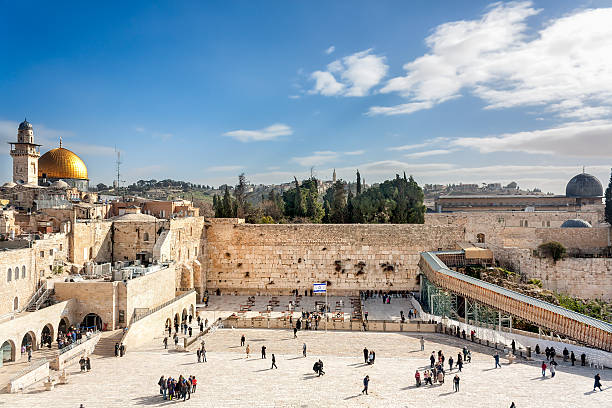
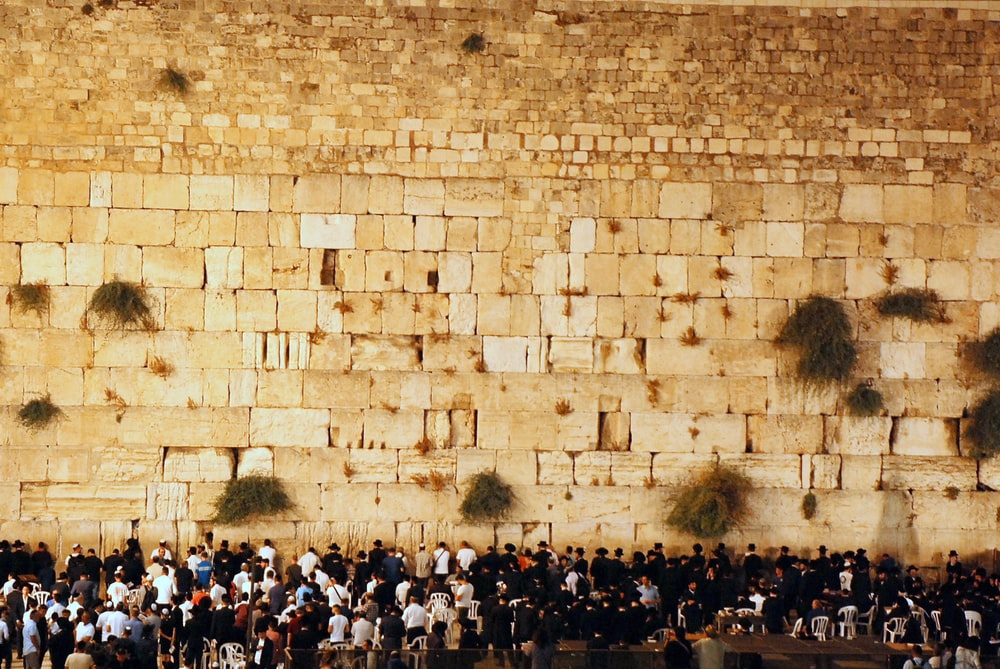
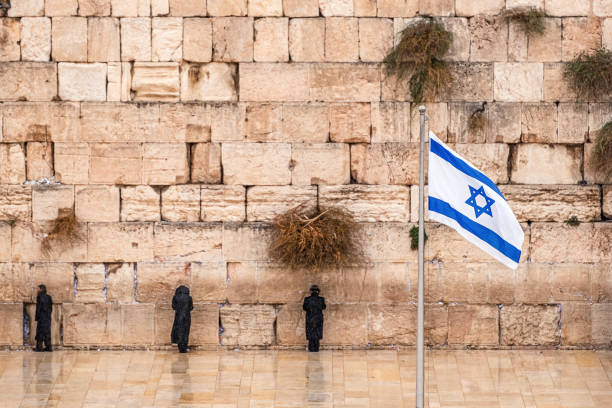
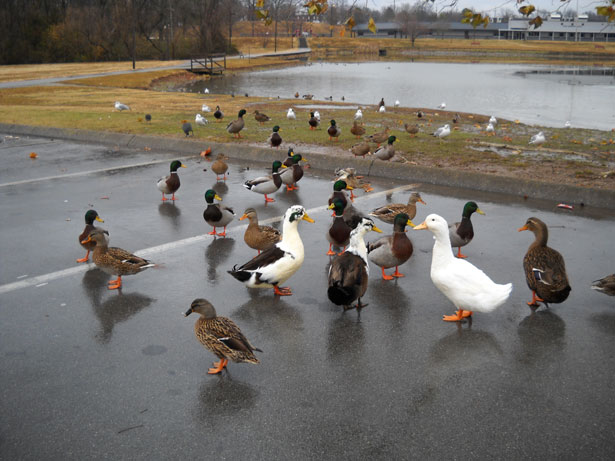


 reallifepastor